Paintless dent repair (PDR) has become the go-to dent repair method for Houston drivers who want a cost-effective solution that maintains original paint and preserves the factory finish. Whether it’s hail damage from a Gulf storm, door ding repair from tight parking at a busy shopping center, or minor dents from daily commuting, PDR delivers clean dent removal without disrupting the vehicle’s original contours. Because PDR involves no repainting, no fillers, and no sanding, it’s environmentally friendly and helps keep factory look intact. Many providers in Houston offer mobile dent repair and on-site repairs, making the service convenient, quick, and often a fraction of cost compared to traditional auto body or collision repair. I searched online for paintless dent repair in houston near me to quickly fix a small door ding without repainting my car.
Why Houston Drivers Choose Paintless Dent Repair: Context and Key Takeaways
Houston, TX drivers juggle congested freeways, sudden thunderstorms, and crowded lots—prime conditions for dings, minor dents, and recurring hail damage. PDR fits this environment because:
- It’s cost-effective compared to full auto body work or a Collision Center repaint.
- Mobile service brings dent and ding repair to you at your location, supporting a flexible schedule and fast response.
- The repair process preserves original paint and factory finish, protecting vehicle value and resale value.
- It’s ideal for light to moderate dent removal on metal panels and aluminum panels without compromising safety or structure.
Key takeaways: PDR shines for auto dent repair when damage is shallow, the paint is intact, and the priority is value retention with quick repair turnarounds across Houston.
The Repair Process
1) Assessment and Estimate
Experienced technicians begin with a thorough inspection of the car exterior, mapping the dent size, depth, and access points. You’ll receive an estimate—many Houston pros let you text photos to get estimate or request a free estimate online. Repair specialists also confirm that the original paint is intact and that PDR is the appropriate dent repair method.
2) Access and Setup
The technician creates access behind the panel (when needed) and sets up LED lighting to show high/low spots. These advanced techniques ensure precise dent removal while restoring the original contours with no sanding and no fillers.
3) Precision Metal Massage
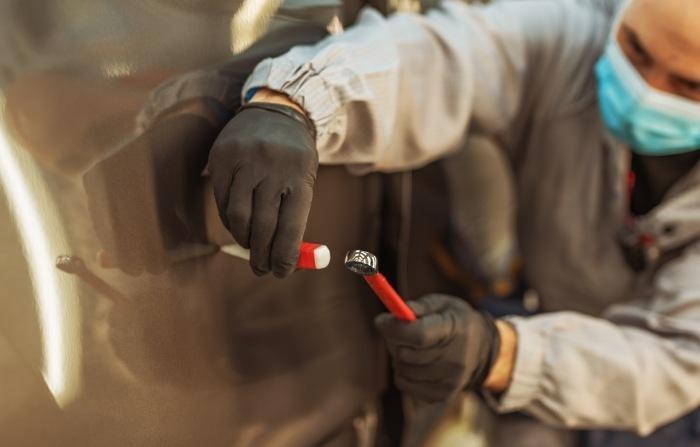
Using specialized tools, the technician gently massages the dent from behind or uses glue-pulling tabs on the exterior. This paintless dent removal repositions metal panels or aluminum panels back to their factory finish without repainting.
4) Finishing and Quality Control
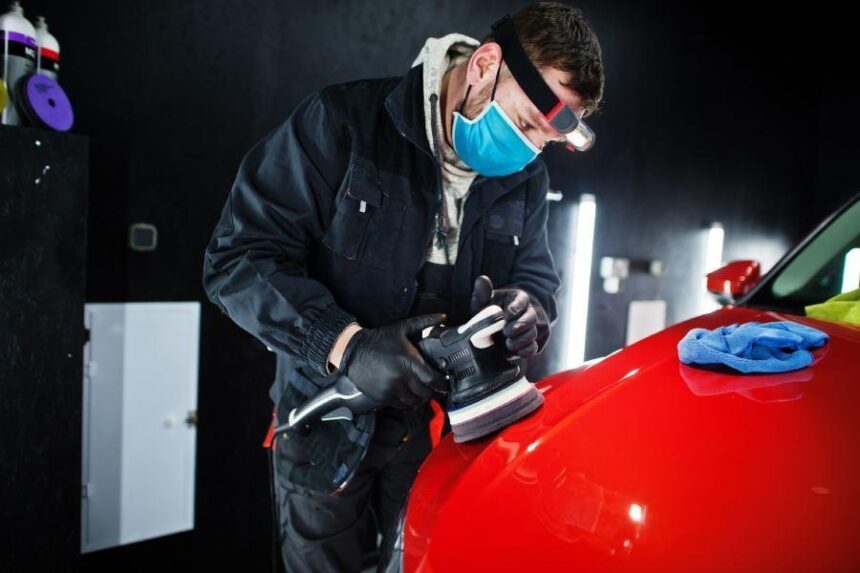
Minor high spots are micro-leveled, and the panel is rechecked under lights for a seamless match to surrounding original paint. The repair process ends with a final inspection to ensure vehicle appearance meets expectations.
Tools and Surface Types
Specialized Tools for Aluminum and Metal Panels
Technicians employ rods, whale tails, knockdowns, glue systems, heat control, and reflection boards tailored to both aluminum panels and traditional metal panels. These specialized tools and advanced techniques allow precise auto dent repair on a wide range of vehicles, from compact sedans to a Silverado.
Ideal Damage Types
PDR excels on dings, door ding repair, minor dents from cart impacts, hail damage dimples, and minor collision damage where the paint isn’t cracked. It also assists with plastic bumper dents in some cases, though plastic bumper repair may require heat reshaping or complementary services like paint touch up or touch-up if the finish is scuffed.
Cost Savings in Houston: PDR vs. Conventional Body Shop Repairs
Compared to an Auto Body Shop, Dealership, or Collision Center, PDR is consistently cost-effective. Because there’s no repainting, no fillers, and no sanding, you avoid materials and paint blending time—translating to lower cost. For many dents, PDR is a fraction of cost of conventional collision repair methods, especially on hail damage where multiple panels need attention.
- Insurance companies often approve PDR for hail claims due to the method’s value retention and efficiency.
- Many providers help coordinate with Insurance Companies and streamline paperwork.
- You can get estimate options quickly via photos and benefit from a free estimate before scheduling.
- When comparing quotes, consider the long-term value retention of keeping the factory finish and original paint intact.
In short, for most dent and ding repair scenarios in Houston, PDR offers a lower cost path to professional results while preserving vehicle value.
Time Efficiency: Same-Day Turnarounds for Houston Commutes
Time matters in Houston traffic. Mobile dent repair brings same day repair potential to your driveway, office garage, or job site—wherever is most convenient. With on-site repairs and a flexible schedule, many PDR teams provide fast response and quick repair to keep you moving. Because the repair process avoids paint cycles, drying, and part replacements, turnaround can range from under an hour for small dings to a single day for moderate hail damage across multiple panels. Mobile service at your location is a major advantage for busy professionals and families who don’t want to be without a vehicle.
Preserve OEM Finish and Resale Value in the Houston Used-Car Market
Serious buyers in the Houston used-car market look for original paint, a clean factory finish, and panels with original contours. PDR protects all three, helping preserve value by avoiding color mismatches, overspray, and diminished resale value common after repainting. By keeping the car exterior in OEM condition—with no repainting, no fillers, and no sanding—you maintain vehicle appearance, vehicle value, and value retention. This is especially true for late-model vehicles, luxury brands, and trucks like a Silverado where buyers expect to keep factory look and documentation that supports careful ownership.
Local Providers, Social Proof, and How to Schedule
Houston, TX has a strong PDR community, including Dent Sharks and Tap Out Dent Repair (Tap Out Dent) on and around corridors like Richmond Ave. Many outfits showcase Motorcycle PDR and Plastic Bumper Repair case studies in a Gallery alongside Testimonials and customer reviews. You’ll often see before-and-after dent removal on Instagram, Facebook, and Yelp, with experienced technicians—sometimes well-known names like Logan Lowenstein—demonstrating advanced techniques. From Jim at a local shop to larger mobile teams, reputable repair specialists will:
- Offer a free estimate and help you get estimate remotely via photos
- Provide mobile service and on-site repairs for door ding repair, hail damage, and minor dents
- Coordinate with Insurance Companies when applicable
- Make it easy to contact them and schedule appointment online
When choosing a provider, look for certifications, photo documentation, and clear explanations of the repair process.
When PDR Makes Sense—and When It Doesn’t
PDR is ideal for small to medium dings, door ding repair, hail damage clusters, and minor collision damage where paint is intact. It’s cost-effective, preserves original paint and factory finish, and offers mobile dent repair convenience across Houston. However, when dents involve sharp creases with cracked paint, torn metal, or significant structural distortion, traditional collision repair at a Collision Center or Auto Body Shop may be necessary. Plastic bumper dents may be addressed via plastic bumper repair or blended with PDR techniques, and scuffs may require paint touch up. For motorcycles, Motorcycle PDR is a niche service that can address tank and fender dings when access allows. A qualified PDR technician will inspect the panel, explain limitations, and advise the best route to preserve value while achieving the desired outcome.
Eco Benefits: Low-Waste, No Paint, and Reduced VOCs
Paintless dent repair is inherently environmentally friendly because it restores panels without coatings, solvents, or body fillers. By focusing on precise dent removal that preserves the original paint, PDR eliminates paint waste, cuts materials consumption, and keeps your factory finish intact. For Houston drivers who want a cost-effective fix that also protects air quality and water systems, PDR is a clear win over traditional auto body methods.
Why PDR is a greener path
No repainting, no fillers, no sanding
Paintless dent repair avoids the steps that generate the most waste and dust at an Auto Body Shop. With no repainting, no fillers, and no sanding, there’s no overspray, no sanding residue, and no microplastics entering drains. Retaining the original paint and the factory finish also promotes value retention and helps preserve value by maintaining OEM coatings and corrosion protection.
Fewer chemicals and reduced VOCs
Because PDR skips primers and topcoats, volatile organic compounds are reduced dramatically compared to collision repair paint cycles. That makes the repair process more environmentally friendly while keeping the car exterior in original contours. For door ding repair, dings, and minor dents, PDR’s specialized tools and advanced techniques produce quick repair results with lower environmental impact.
Sustainable and cost-effective
Avoiding consumables and booth time makes PDR a cost-effective solution that often comes in at a fraction of cost versus repainting. That lower cost does not sacrifice quality; maintaining the factory finish improves vehicle appearance, supports resale value and vehicle value, and helps keep factory look over the long term.